 Skip to content
Industrial Food Processing Flooring Solutions
Food Processing Flooring Installation NJ is the number one epoxy floor installation for Epoxy Floors NJ. What major projects have you completed in food processing? We have done some of the largest projects in the country, including urethane concrete flooring systems for the largest wonton producer and a tofu producer, to name a few. Can you provide references for your work? We would be happy to share a list of references with you, as we can boast a great reputation in terms of specifying the right system.
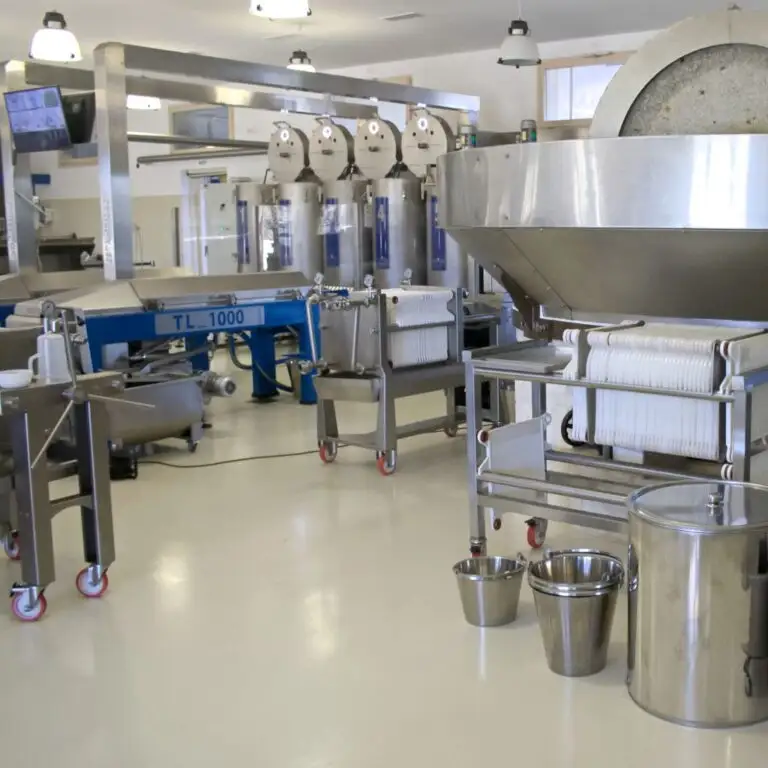
Food Packaging Flooring : The Best Solution
Food packaging flooring comes in many types, as it depends on your process. If your packaging involves a dry process, we typically use a good-quality high-solids epoxy floor as it has a higher impact and scratch resistance than urethane concrete flooring.
Contrarily, if your process involves frequent hot or cold water washdown you would be best served by utilizing our urethane concrete flooring. Why is urethane concrete flooring ideal for restaurant kitchens? It is often utilized in restaurant kitchen flooring, as it excels not only in thermal shock but also bonds at approximately 300 pounds per square inch. What does a strong bond mean for durability? Furthermore, if it peels it will take a layer of the concrete with it, meaning it is virtually unaffected by temperature variation.
In either case, installing a resinous flooring system will provide a seamless and easy-to-clean substrate, making your daily clean-up quick and easy.
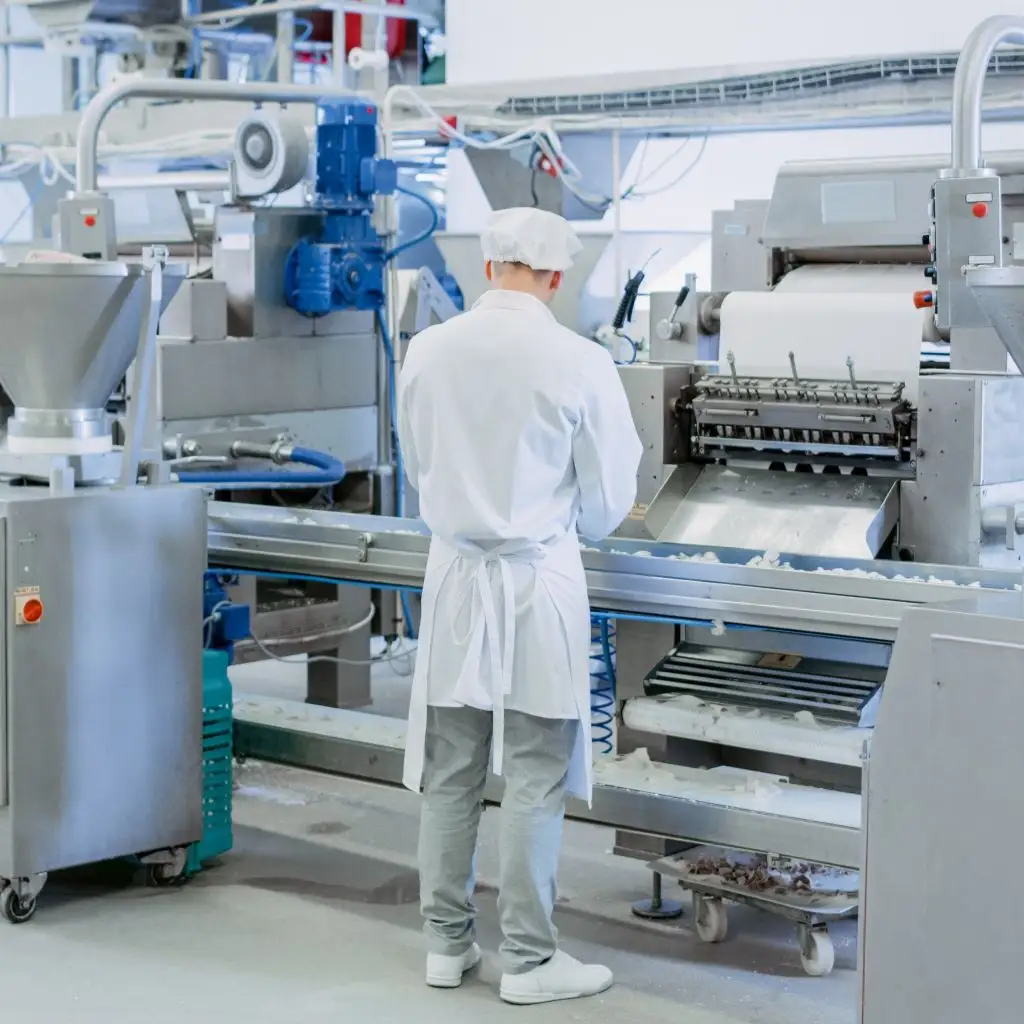

Why Investing in Food Services Flooring Installation NJ
Your Food Services Flooring Installation NJ is critical to the overall process. Bacteria such as Listeria are typically found in areas where there is a cavity that holds bad actors. As a result, consequence can be devastating.
Seamless resin floors provide excellent food safety characteristics as they basically weld to the substrate, leaving little concern for cavities that might trap bacteria, etc.
It also offers a non-slip component, increasing employee safety and reducing insurance concerns.
Its durability creates long-term cost savings as it provides years of heavy-duty service without needing a lot of maintenance.
To better understand food safety standards, visit FDA Food Safety
We are here to help contact our epoxy flooring service Today!
FAQ
Food processing often involves extensive cleaning with varying water temperatures. Urethane concrete is used because it fends against thermal shock, meaning it expands and contracts at a rate similar to the concrete substrate, preventing the floor from peeling or delaminating over time.
Urethane concrete flooring creates an incredibly strong bond of approximately 300 pounds per square inch. In layman’s terms, if the floor were to peel, it would take a layer of the concrete with it, making it virtually unaffected by the temperature variations common in restaurant kitchens and processing plants.
Yes. These systems are fully compliant with FDA, USDA, and HACCP standards. Additionally, they feature a non-skid additive that can be adjusted to your specific needs, ensuring a safe walking surface for employees even in wet conditions.
If your packaging involves a dry process, a high-solids epoxy floor is typically recommended. These systems offer higher impact and scratch resistance than urethane concrete, providing a durable surface tailored to dry industrial operations.
Epoxy Floors is among the top food processing flooring companies in NJ, known for reliable and long-lasting flooring solutions.
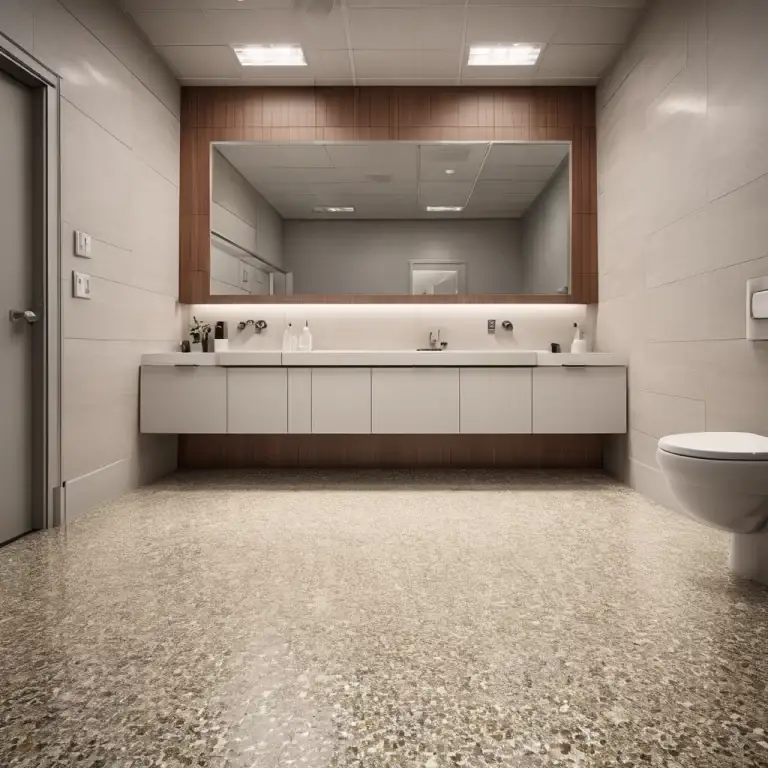
Transform Your Space with Professional Epoxy Flooring
High-performance epoxy floor systems engineered for industrial and commercial environments in New Jersey.